High-Quality Results with Residential Glass Installation
Residential Glass Installation: Enhance Your Home's Visual Appeal and Energy Performance
Residential glass placement functions as a transformative element for many homes. It not only enhances aesthetics but also boosts energy efficiency. With various glass options accessible, homeowners can create spaces that reflect their style while benefiting from the advantages of modern technology. Comprehending the nuances of glass choices and installation can lead to considerable long-term benefits. The following sections will explore the essential aspects of this investment and its impact on both comfort and value.
Reasons to Invest in Residential Glass Installation
Installing quality residential glass can substantially boost the aesthetic and functional aspects of a home. High-quality glass elements, such as windows, doors, and railings, provide a modern and elegant look, permitting natural light to fill interiors and fostering a sense of airiness. This visual appeal can raise property value, keeping it more appealing to potential buyers.
Furthermore, glass setup offers design versatility, supporting various architectural styles and personal tastes. From sleek frameless designs to classic grid patterns, homeowners can pick options that complement their individual tastes.
In addition, incorporating glass materials can improve indoor-outdoor connectivity, creating seamless movements between living spaces and outdoor areas. This connection fosters a tranquil atmosphere, suitable for relaxation and entertaining.
Ultimately, investing in home glass installations not only enhances beauty but also enriches the overall quality of life, making it a valuable option for property owners seeking to upgrade their properties.
Enhancing Energy Performance With Modern Glass Solutions
Modern glass solutions present significant advancements in energy efficiency, particularly through the use of insulated glass and Low-E coatings. Insulated glass decreases heat transfer, enhancing comfort and cutting energy costs. Meanwhile, Low-E coatings reflect infrared light, further boosting thermal performance while allowing natural light to enter.
Insulated Glass Advantages
Insulated glass offers considerable advantages for property owners pursuing to improve thermal performance in their homes. This innovative glazing solution typically consists of two or more glass panes divided by a spacer and filled with an thermal gas, such as argon or krypton. This design reduces heat transfer, decreasing the need for heating in winter and cooling in summer. As a outcome, insulated glass can lead to reduced energy bills and enhanced home comfort. Additionally, it eliminates moisture accumulation and reduces outside noise, fostering a more serene home setting. Overall, insulated glass is a prudent investment for those looking to upgrade their homes while promoting environmental responsibility and enhancing overall visual appearance.
Low-E Coatings Broken Down
Low-emissivity (Low-E) coatings convert standard glass into a robust energy-saving system for homes. These tiny coatings, applied to the glass surface, reflect infrared light while allowing visible light to pass through. This distinctive characteristic helps maintain indoor temperatures by minimizing heat transfer, keeping homes warmer in winter and more refreshing in summer. By reducing energy consumption, Low-E coatings can greatly lower heating and cooling costs. Additionally, they help safeguard furnishings from UV damage by filtering out harmful rays, enhancing overall comfort and longevity. Homeowners increasingly opt for Low-E glass as a sustainable choice, contributing to environmental sustainability. Ultimately, Low-E coatings represent a modern advancement in residential glass installation, combining aesthetics with practical performance.
Finding the Suitable Glass for Visual Beauty and Functional Utility
How can homeowners strike the perfect balance between appearance and functionality when choosing glass for their homes? The selection of glass is crucial in both the look and function of a home. Various types of glass, such as tempered, laminated, and insulated, can enhance security, energy efficiency, and soundproofing. Owners need to think about their design preferences, such as color, texture, and transparency, to guarantee the glass complements the overall decor.
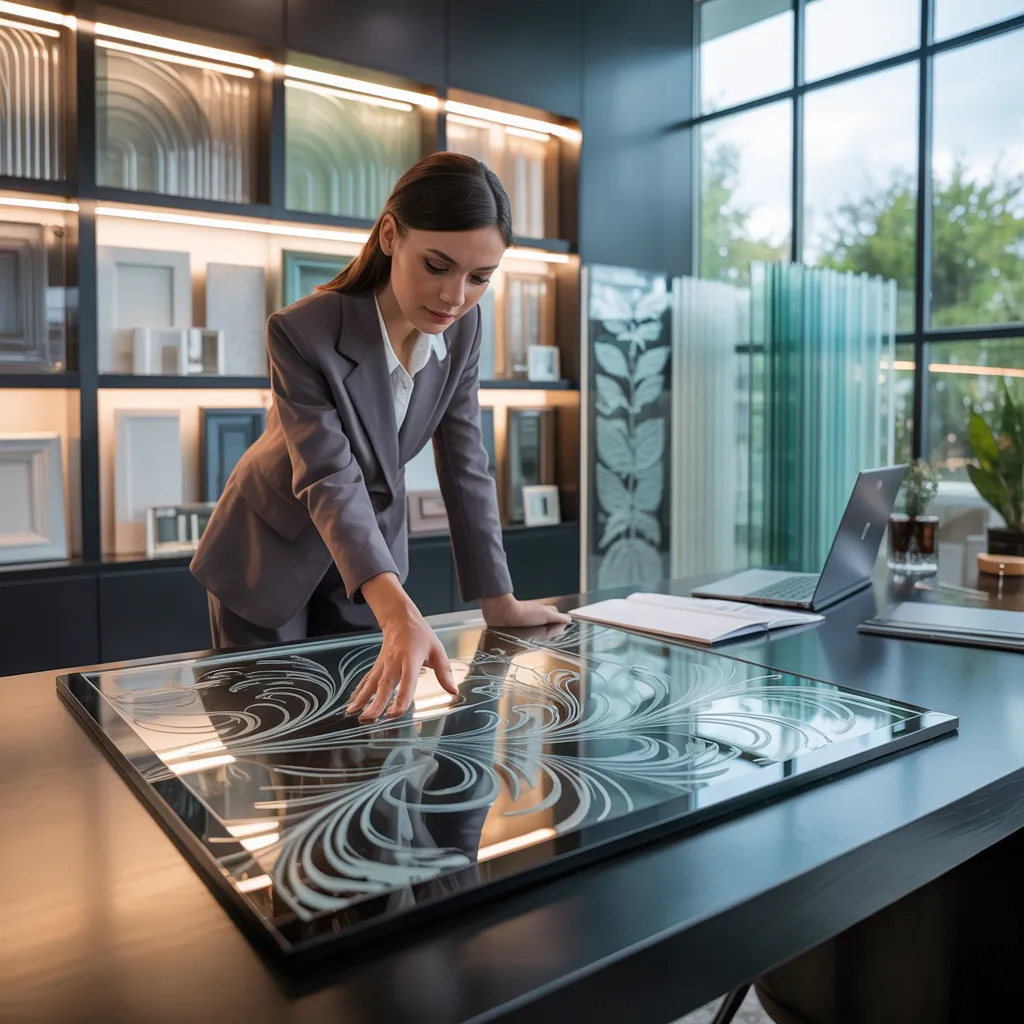
For instance, frosted glass provides privacy while preserving an expert advice elegant look, whereas clear glass maximizes visibility and creates an open feel. Additionally, ornamental choices like stained or etched glass can function as focal points in a room. Ultimately, choosing the appropriate glazing involves understanding the specific needs of each space, harmonizing style with practical benefits to design a harmonious living environment. Thoughtful choices can significantly elevate both the visual appeal and practical efficiency of a home.
How Picking the Correct Glass Maximizes Natural Light
Natural light operates as an essential element in creating attractive and energetic household areas. Opting for the appropriate glass can significantly improve the movement of natural light, shifting the atmosphere within a home. For instance, expansive, unhindered sheets of clear glass allow sunlight to stream in, brightening interiors and providing a sense of expanse.
Moreover, picking glass with a Low-E coating can optimize light transmission while minimizing heat gain, confirming that warmth is retained without compromising brightness. In a similar manner, frosted or textured glass can distribute light, softening harsh rays while maintaining brightness, which can be particularly effective in smaller rooms.
Furthermore, carefully positioning mirrors and reflective elements near glass installations can enhance the effects of natural light, producing a brighter environment. By carefully choosing glass types and placements, homeowners can optimize natural light, enhancing both aesthetic appeal and energy efficiency.
What to Consider When Picking a Glass Installer?
When choosing a glass installer, what important factors should homeowners consider to ensure a successful project? First, it is important to evaluate the installer’s experience and expertise in residential glass installation. Homeowners should look for professionals with a solid track record and positive client feedback. Checking for appropriate licensing and insurance is necessary, as this shields both the homeowner and the installer in case of accidents or damage.
Moreover, getting multiple quotes can assist homeowners understand the market rates and make sure they are receiving fair pricing. It is also advantageous to ask regarding the material options employed and the installation techniques applied, as high-quality materials can significantly impact durability and aesthetics. Finally, understanding the warranty offered can offer peace of mind regarding upcoming repairs and replacements. By taking into account these elements, homeowners can confidently choose a glass installer who meets their specific needs.
Tips for Preserving Your Glass Fixtures for Longevity
After selecting a certified glass installer, homeowners must prioritize maintaining their glass installations to guarantee longevity and functionality. Regular cleaning is essential; using a soft cloth and a mild cleaner can prevent scratches and build-up. Homeowners should avoid abrasive materials that can damage the surface. Additionally, inspecting the seals around windows and doors for any signs of wear or damage is important, as compromised seals can lead to energy loss and moisture intrusion.
Seasonal inspections can help identify possible problems early on, enabling prompt maintenance. Homeowners should also think about using protective layers to minimize UV damage and enhance longevity. For exterior glass installations, maintaining clear surroundings free from debris will prevent scratches and impacts. Finally, consulting with the installer regarding particular care guidelines can ensure the glass remains in peak condition for years to come.
Frequently Requested Inquiries
What Categories of Glass Choices Are Available for Home Installation?
Different options of glass are accessible for residential installation, encompassing tempered, laminated, low-E, insulated, and decorative glass. Each option presents distinct advantages, such as improved safety, superior insulation, and design enhancement for homeowners.
How much time does the setup procedure usually require?
The setup generally requires one to three days, depending on the complexity of the project and the kind of glass being used. Aspects like climate and groundwork can also influence the schedule.
Are there environmentally sustainable glazing options obtainable?
Absolutely, nature-friendly glass alternatives exist, featuring double-glazed and low-emissivity (Low-E) glass. These solutions improve energy efficiency, cut down on heat loss, and reduce environmental impact, making them an excellent choice for environmentally conscious homeowners.
What Protection Is Available for Domestic Glass Installations?
Various coverage plans for residential glass installations typically feature manufacturer guarantees, which cover defects, and installation guarantees, guaranteeing workmanship. Duration and coverage vary by provider, so homeowners ought to inquire about specific terms before committing to installation.
Should I Set up Glass on My Own or Hire a Specialist?
Glass self-installation is viable for skilled individuals, yet hiring a professional is generally recommended. Specialists guarantee proper handling, safety compliance, and ideal installation, lowering probability of damage and upcoming difficulties associated with improper fitting.